The Cloud Era redefines gaming by moving compute from local devices to centralized services, enabling fluid asset pipelines and continuous updates. Data sovereignty and governance shape how regions manage residency and policy. Pay-as-you-go models, workload sharing, and tiered access alter cost structures, while bandwidth and delivery quality drive tier definitions. Latency, input responsiveness, and cross-platform interoperability become critical as orchestration scales across devices. The implications ask for careful architectural choices and strategic partnerships to stay competitive.
What the Cloud Era Changes About Gaming
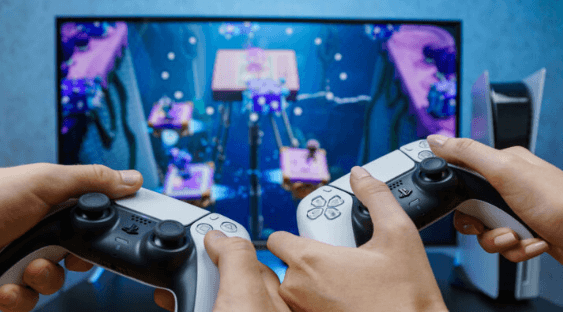
The cloud era reshapes gaming by shifting the emphasis from local hardware to centralized processing, streaming, and scalable services.
This transition enables fluid asset pipelines and continuous updates, while regional data sovereignty governs where data resides and how it’s governed.
Synthetic storylines enhance immersion, and player avatars become portable identities across titles, platforms, and shared experiences, redefining creative freedom.
How Cloud Tech Costs and Access Break Barriers
Cloud-enabled gaming lowers entry barriers by converting upfront hardware costs into scalable, pay-as-you-go services. This shift leverages centralized data centers to optimize cost structures, enabling cost optimization through utilization efficiency and workload sharing.
Access expands as providers tier services to diverse budgets, yet bandwidth requirements shape viable tiers. Consumers weigh affordability against reliability, choosing configurations that align with personal freedom and consumption patterns.
Latency, Input, and Delivery: Performance in Practice
Latency, input responsiveness, and delivery quality define the practical limits of cloud gaming. Data shows variability from regional networks, affecting perceived fluidity and consistency. Latency management emerges as a key discipline, balancing server proximity, routing, and congestion control to minimize ping without sacrificing stability. Input fidelity remains critical, ensuring action mirrors user intent despite virtualization and compression constraints.
Architecting for Cross-Platform Play and Subscriptions
Cross-platform play and subscriptions compel a unified architectural approach that reconciles diverse device capabilities with consistent user experiences.
Architecting for cross platform environments demands hardware agnosticism, interoperable APIs, and cloud orchestration that scales with demand.
Subscription models must be flexible, feature-rich, and region-aware, enabling cross brand ecosystems through remote processing while maintaining security, performance, and player autonomy across devices.
See also: Future-Proof Hardware Technologies
Frequently Asked Questions
How Secure Is Cloud Gaming for Personal Data?
Cloud gaming’s security is moderate; data encryption protects streams, yet security risks persist in account access and data ownership. Rights management helps, while latency concerns can complicate timely auth and anomaly detection, influencing overall resilience and user freedom.
Can Cloud Streaming Replace Local Devices Entirely?
Cloud streaming cannot fully replace local devices yet; a single revealing statistic shows 79% of gamers experience noticeable cloud latency at peak times. It remains constrained by cloud latency and device dependency, impinging on freedom and seamless play.
What About Ownership of Streamed Game Licenses?
Ownership of streamed game licenses remains governed by platform terms, complicating outright ownership; users obtain licenses rather than full ownership. License transfer is typically restricted, requiring platform-specific procedures or family/shared plans, impacting long-term freedom and portability for consumers.
How Will Indie Developers Compete on Cloud Platforms?
Indie developers can compete by leveraging scalable cloud distribution and targeted indie monetization strategies, focusing on niche audiences, transparency, and community-driven content. Data shows profitability hinges on diversified revenue, frequent updates, and efficient cross-platform reach within cloud ecosystems.
Are There Environmental Benefits to Cloud Gaming?
Like a lighthouse in fog, cloud gaming reduces local hardware need, potentially lowering environmental emissions, though gains depend on data center efficiency and energy sources; the impact remains mixed, hinging on grid mix, oversight, and scalable efficiency improvements.
Conclusion
The cloud era reshapes gaming by unifying experiences, unshackling hardware, and unbundling boundaries. Latency, bandwidth, and orchestration define access, while data sovereignty, synthetic storytelling, and subscription models redefine value. Cost structures become predictable yet scalable, inviting experimentation and shared workloads. Cross-platform play and portable avatars become standard, not exceptions. Performance hinges on intelligent routing, edge proximity, and quality of service. In this evolving ecosystem, disruption follows data-driven design, robust governance, and relentless optimization across devices, networks, and experiences.