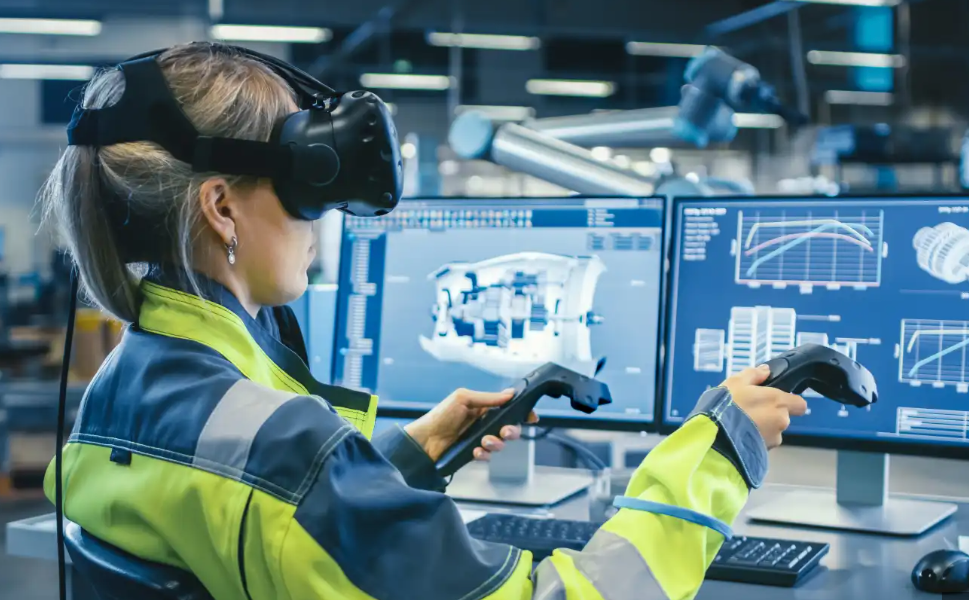
Future-proof hardware technologies center on durable, upgradeable architectures and vendor-agnostic interoperability. Systems emphasize modular design, standardized backplanes, and scalable interconnects to absorb demand shifts without obsolescence. Energy-aware strategies couple with AI-driven efficiency to optimize throughput and cooling needs. Real-world playbooks translate analytics into procurement paths, guiding resilient platforms and clear upgrade roadmaps. The result is a disciplined, data-informed trajectory that invites decision-makers to consider what comes next—and what must be in place to stay ahead.
What Makes Hardware Truly Future-Proof
Future-proof hardware hinges on adaptability, modularity, and scalable performance that outpace rapid technological shifts. The analysis identifies durable design, upgradeability, and clear lifecycle pathways as core drivers, enabling sustained utility. Emphasis rests on measurable resilience, compatibility, and data-driven forecasting to reduce waste. This framework supports future proof objectives and hardware longevity, empowering users to pursue freedom through reliable, strategically planned technology investments.
Modular Design and Scalable Interconnects
Modular design and scalable interconnects form the backbone of durable hardware ecosystems, enabling rapid adaptation without obsolescence. The approach emphasizes modular interfaces and scalable backplanes, reducing total cost of ownership while accelerating innovation cycles. Strategic decoupling powers vendor-agnostic interoperability, enabling modular growth aligned with demand analytics. A future-ready stack thrives on standardized interfaces, predictable upgrades, and data-driven decision making.
Energy, Heat, and AI-Driven Efficiency
Energy, heat management, and AI-driven efficiency converge as a strategic triad for scalable hardware systems.
The discourse analyzes energy density, cooling strategies, and dynamic workloads to minimize idle waste and maximize throughput.
It frames adaptive architectures that anticipate thermal throttling, optimize performance-per-watt, and enable sustainable scaling.
Decisions hinge on data-driven models, transparency, and freedom to optimize independent of rigid supply chains.
Real-World Playbooks: Platforms, Upgrades, and Buyer’s Guide
Real-world playbooks for platforms, upgrades, and buyer decisions translate the energy-density and cooling insights into actionable procurement and architecture paths.
Future-proof platforms inform an upgrades roadmap while balancing energy efficiency trends with AI driven cooling.
Modular interconnects enable scalable architecture, guiding rational choices for freedom-seeking teams seeking resilient, adaptable systems across diverse workloads and evolving technology landscapes.
See also: wallpaperflare
Frequently Asked Questions
How Do You Measure True Longevity Beyond Lifecycle Support?
Longevity is measured through longevity metrics and rigorous compatibility testing, enabling a strategic, data-driven view. The approach envisions freedom in design, benchmarks resilience across ecosystems, and forecasts real-world durability beyond lifecycle support with transparent, actionable metrics.
What Role Do Software Updates Play in Future-Proofing Hardware?
Can software updates extend resilience? They shape update cadence and enable user customization, aligning hardware with evolving workloads; they empower autonomy while data-driven strategies anticipate obsolescence, guiding decisions that balance flexibility, security, and long-term freedom.
Can Hardware Longevity Be Improved Through Manufacturing Choices?
Yes. Hardware longevity can be improved through manufacturing choices, prioritizing long lasting components and modular design; a visionary, data-driven strategy suggests adaptable architectures, standardized interfaces, and repairable supply chains, empowering freedom while extending lifecycle and reducing environmental impact.
How Does Supply Chain Volatility Affect Long-Term Viability?
Supply chain volatility subtly reshapes long term viability, shifting risk management from reactive to proactive. The organization measures resilience, anticipates disruption, and aligns suppliers, data, and technology to safeguard enduring capability and freedom through strategic, data-driven foresight.
What Are Early Indicators of Impending Obsolescence?
Obsolescence indicators include rapidly shrinking support windows, stagnant software ecosystems, and hardware that fails to meet evolving security standards. Longevity signals emerge from modular design, robust supply channels, and open architectures guiding strategic investments toward adaptable, freedom-preserving solutions.
Conclusion
Future-proof hardware sits at the intersection of permanence and change: enduring architecture built to outlive trends, yet relentlessly adaptable to emerging workloads. Juxtaposing rugged modularity with fluid scalability, it pairs backbones that endure with interfaces that evolve. Energy-aware design contrasts with peak performance demands, revealing efficiency as a strategic driver rather than a constraint. In this data-driven horizon, durable platforms enable rapid upgrades, while standardized interoperability reduces waste—transforming obsolescence into opportunity and unlocking resilient, future-ready ecosystems.